encounters
guides places and institutions through change.
We bring the right people together, create a shared picture and sharpen what a place stands for.
- Stance
- An independent perspective. encounters complements the specialists at the table, whether planning office, curators or site management, and does not replace them.
- Origin
- The origin is a master's thesis at ETH Zurich. It has become a way of working that develops further with every commission and in research.
- Entry
- At any time: with the first idea, during a running procedure or competition, during construction and realisation or in operation.
What encounters achieves
- W1
Reduce complexity
A project becomes graspable.
- W2
Create a shared picture
Everyone is talking about the same thing.
- W3
Sharpen identity
What a place stands for.
- W4
Make decisions possible
The picture turns into a next step.
Room of Encounters
The Room of Encounters is the hallmark of encounters: a room in which a project is shown and negotiated. It makes the project tangible for the public and helps the planners find each other.
This is where the three pillars interlock. What pillar 2 makes visible flows back into pillar 1. Pillar 3 turns every pass into a building block.
Three pillars
Pillar 1 Bringing together and leading
Mediation and orchestration. Process architecture, a curated team, leadership across the project.
1.1Analysis
Reading the starting position and anticipating what is coming: perception, expectations and open points, the procedures running in parallel and what is feasible.
1.2Process
Sequence, roles, decision points and participation as one considered process.
1.3Leadership
encounters assembles a team of specialists for the project and leads it.
1.4Review
The situation report is repeated at milestones. The results flow back into the procedure.
Pillar 2 Making it tangible
Public communication through space, encounter and all channels. It also helps the planners find each other.
2.1Encounter
Designs how the parties involved meet: space, time, material and atmosphere.
2.2Space
A project is given a place: a planning room with model, plans and film, an exhibition, mediation on the construction site.
2.3Media
One picture of the project across film, web and print.
2.4Identity
What a place stands for, in mission statement, name and narrative. Not branding.
Pillar 3 Research
Work on method and on finding solutions. Every project yields a new building block for future mandates.
3.1Research
Research on a specific question or within our own framing.
3.2Method
Every project yields a new building block for future mandates.
3.3Teaching and outreach
Teaching, lectures and publications.
Solutions
Six situations that clients recognise. Each one leads to the services that resolve it.
For whom
Public sector and building owners
A revision, a site or a construction project affects many. encounters designs the process, leads the team and makes the project tangible for the public.
Museums and institutions
A house plans an exhibition or is changing. encounters designs scenography, media and formats that bring audience and staff along.
Companies and their place
A company, a site or a region wants to show what it stands for. encounters sharpens the identity of the place in mission statement, space and narrative.
L1: A project is complex, and nobody has the overview.
- 1.1Analysis
- 1.3Leadership
- 2.1Encounter
L2: A procedure is under way, but the parties involved are not coming together.
- 1.2Process
- 1.3Leadership
- 2.1Encounter
L3: The plans are finished, and the public does not understand them.
- 2.2Space
- 2.3Media
- 1.4Review
L4: An institution has something to show, and the design for it is still missing.
- 2.2Space
- 2.3Media
- 2.4Identity
L5: A place has lost its identity or has not found it yet.
- 1.1Analysis
- 2.4Identity
- 3.1Research
L6: A question is new, and there is no method for it yet.
- 3.1Research
- 3.2Method
- 1.1Analysis
References
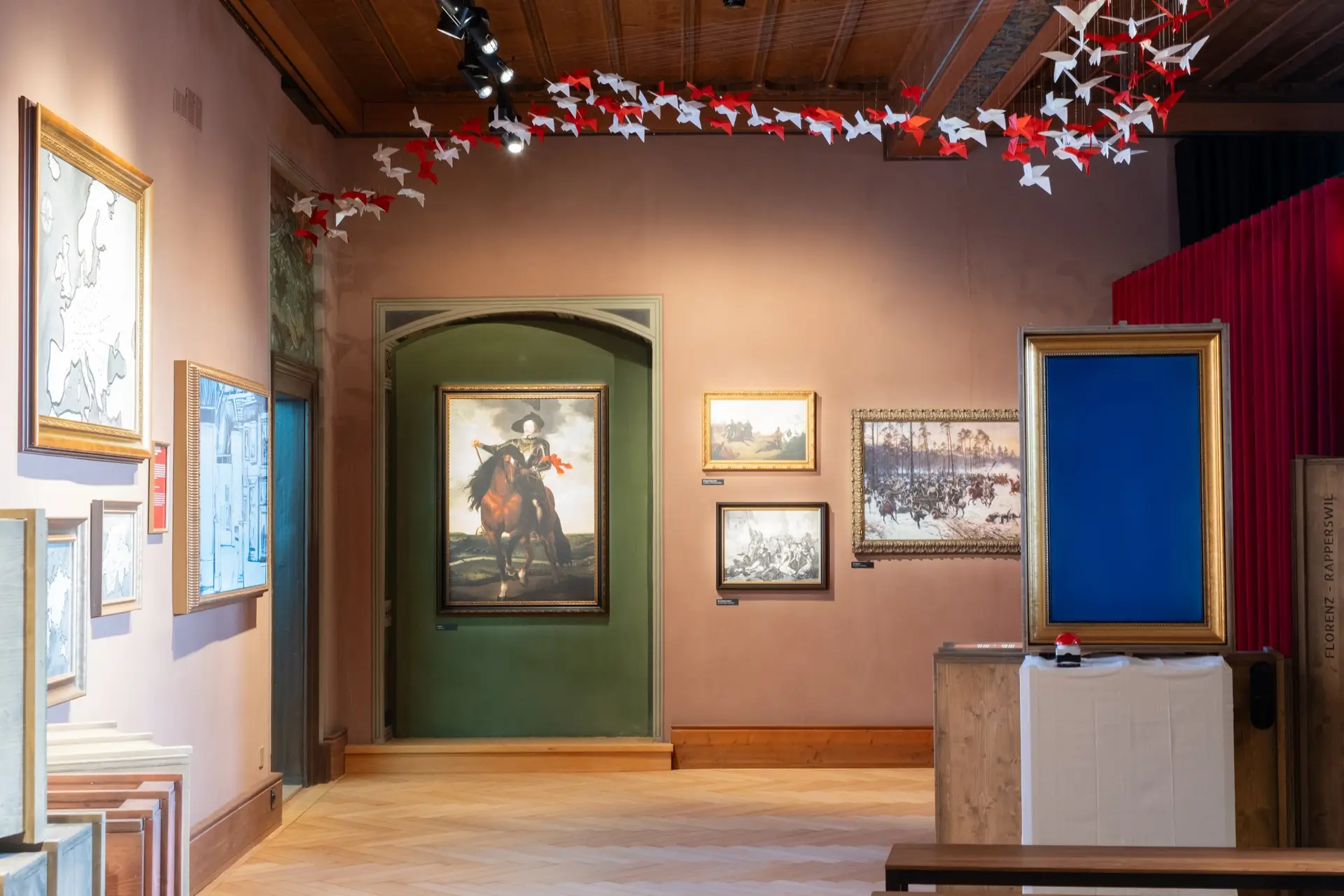
Rapperswil Castle
- 2Making it tangible
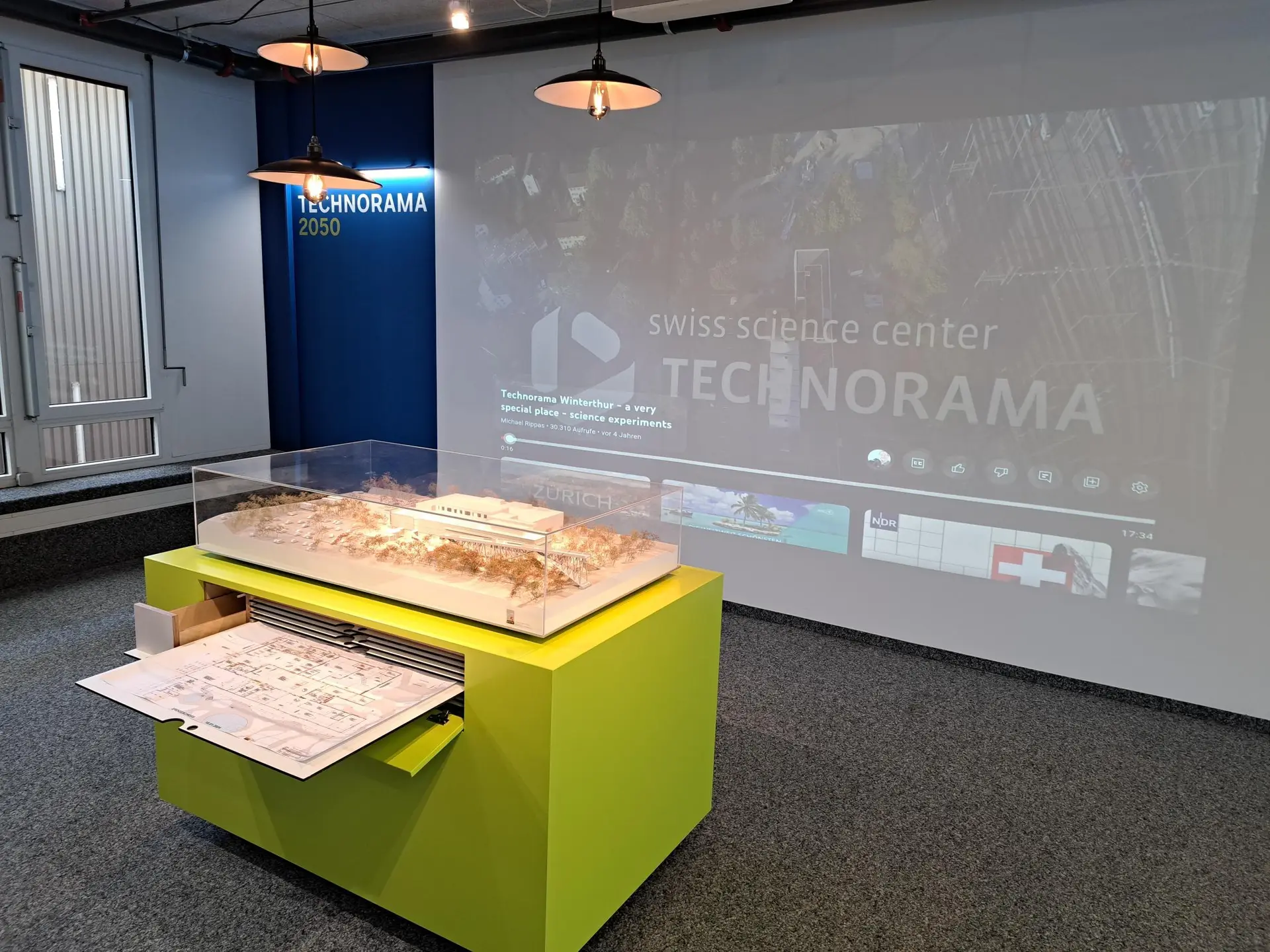
Technorama 2050
- 2Making it tangible
- 3Research
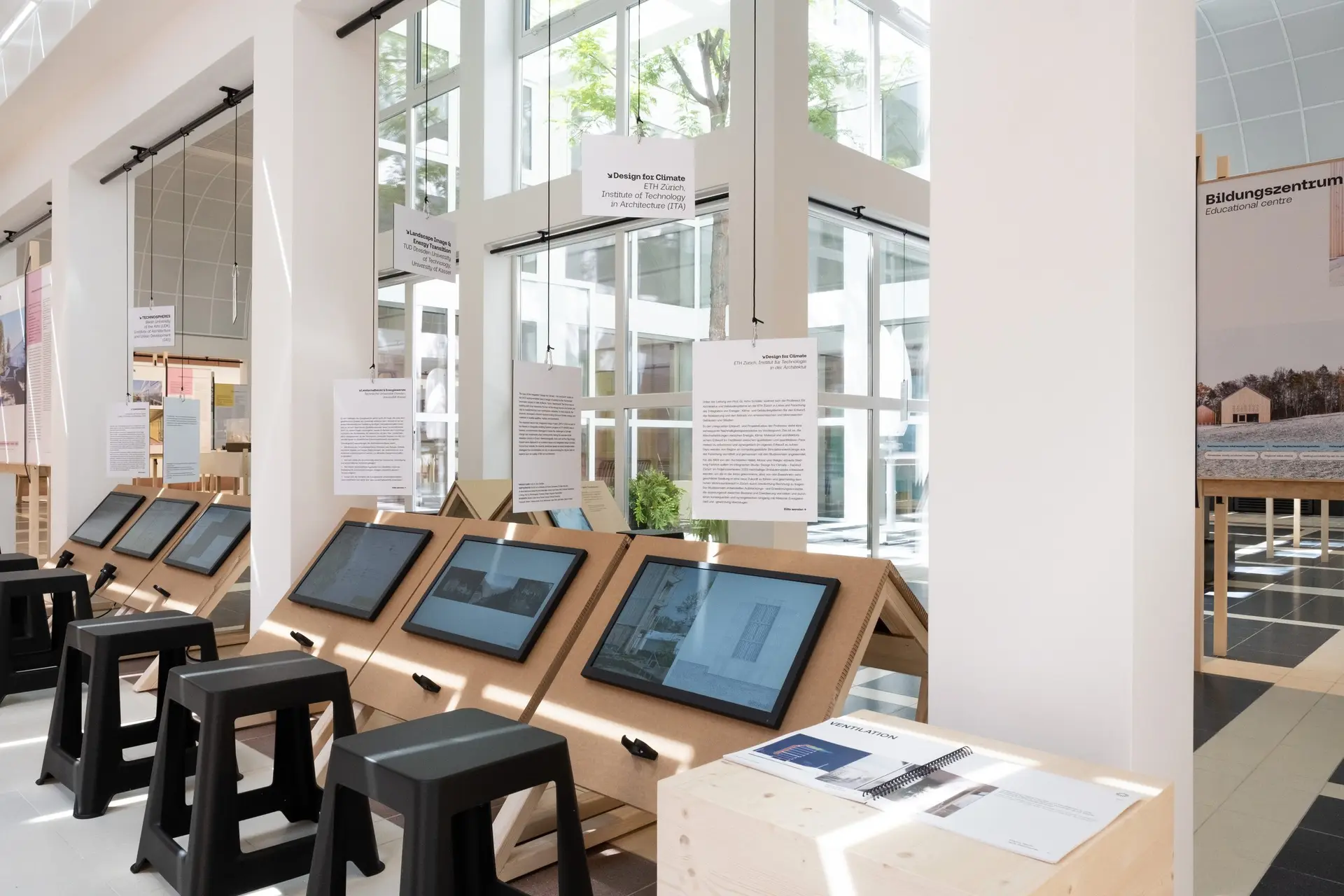
Design For Climate
- 3Research
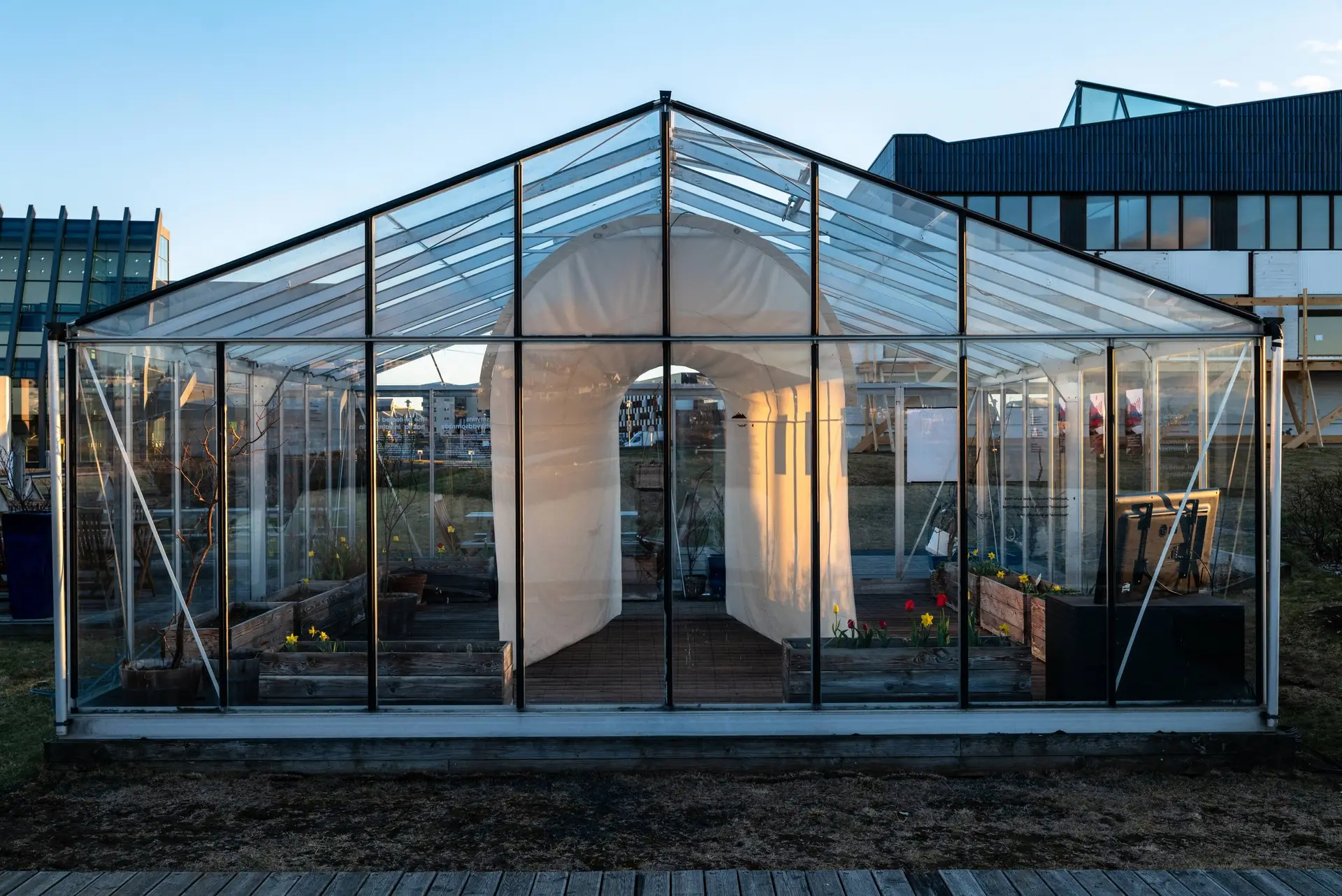
Echo Chamber
- 2Making it tangible
- 3Research
Photo: Owen Fiene
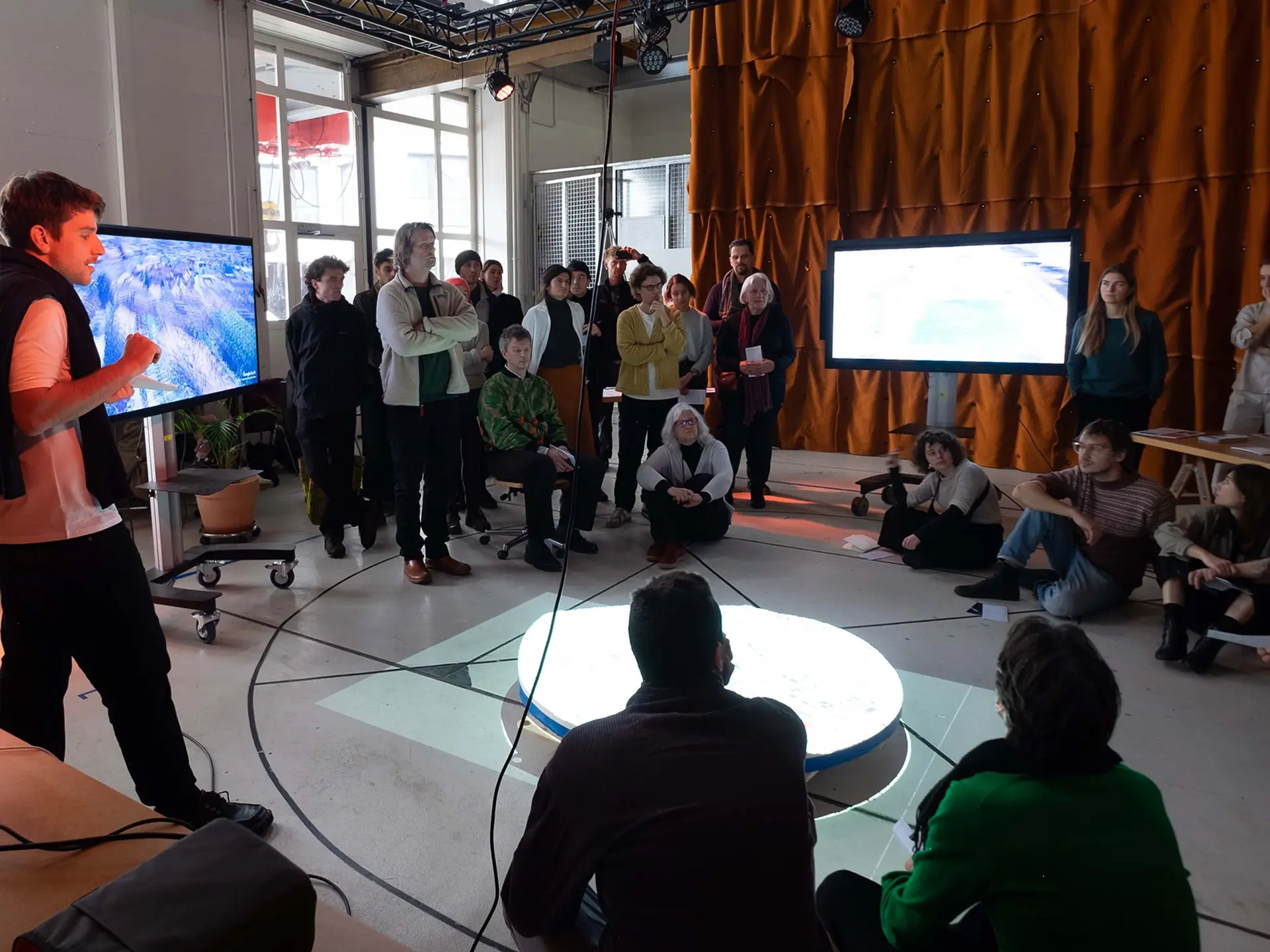
Room of Negotiation
- 3Research
Clients



Getting started
The first step is a situation report (Lagebild): small enough for a direct award, tailored to the starting position. A first conversation clarifies whether encounters fits the project.
David Menzi
Director, Architect MSc ETH
- info@encounters.biz
- Phone
- David Menzi